First published in 2006 IEC 62471 is mostly based on the photobiological safety requirements found in ANSIIESNA RP-27 but reflects some changes in the weighting functions. Traditional LEDs are generally considered safe with no need for separate LED safety standards as opposed to the higher-power laser diodes which are known to cause eye hazards.
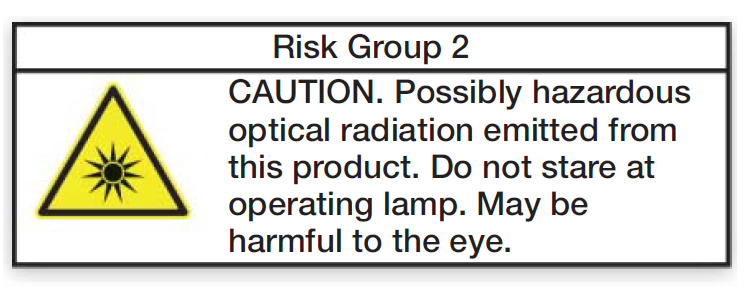
Led Based Products Must Meet Photobiological Safety Standards Part 2 Magazine Leds Magazine
Photobiological safety of LED In widening array of lighting applications LED fixture are more energy efficient and less maintenance when compare to traditional lighting.
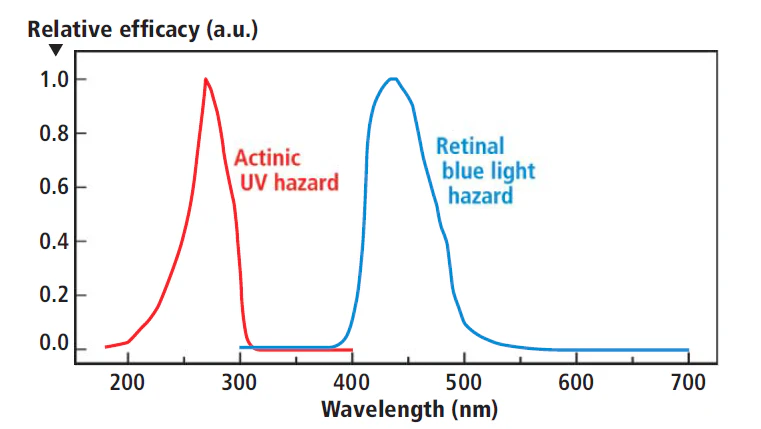
Photobiological safety standards for leds. This standard document was developed by the International Commission on Illumination CIE in 2002 and was adopted by the IEC as an international industrial standard IEC 62471Ed1 in 2006 2. Photobiological testing relates to the optical radiation effects of LED and traditional lighting on human eyes. Optical radiation safety of LEDs is also.
Including LEDs but excluding lasers. However the high quality LEDs has also increased photobiological effects. IEC 62471 International EN 62471 EU 1.
Photobiological Safety of Lamps and Lamp Systems IECEN 62471 for LEDs Evaluating the photobiological safety of lamps and lamp systems including LEDs to IECEN 62471 is a legal requirement for lighting products sold in Europe. IEC EN 624712008 Photobiological safety of lamps and lamp systems and IEC EN 14255 Measurement and assessment of personal exposures to incoherent optical radiation. In the area of photobiological safety requirements specific to LEDs ultimately led to the development of IEC 62471 Photobiological Safety of Lamps and Lamp Systems.
In response the International Electrotechnical Commission IEC. The photobiological safety measurement system described in this article has been designed to meet the requirements of the EN 62471 standard and at the same time give the possibility of its use in factory laboratories of lamp and luminaire manufacturers and not only in typical metrological laboratories. IEC62471Ed2006-Photobiological safety of lamps and lamp systems-Gives guidance for evaluating the photobiological safety of lamps and lamp systems including lum.
Now LEDs are consequently evaluated and categorized in terms of optical safety in accordance with the photobiological safety standards for lamps and lamp systems. According to EN 62471 which is the relevant standard of the European Union the products radiating between 200nm and 3000nm should be subject to the tests within the scope of this standard. The portion of blue light produced by typical LEDs is not higher than the portion of blue light in lamps using other technologies at the same colour temperature.
Radiation safety of LEDs is addressed in the standard document S009E2002 for photobiological safety of lamps and lamp systems. PHOTOBIOLOGICAL STANDARDS AND REGULATIONS FOR LED COMPONENTS Before the fall of 2008 most LEDs were tested and labeled in accordance with the IECEN 60825 laser safety coherent light source standard. Wwwiecch with input from the IEEE New York NY.
This standard was prepared as Standard CIE S 0092002 by the International Commission on Illumination. Photobiological Safety Standards and Requirements Todays photobiological safety standards have their origins in efforts during the 1990s to accommodate LED-related radiation requirements within existing laser safety standards. The rationale for this initial effort was based on a number of technical characteristics.
Today all LEDs without restriction are subject to the optical radiation safety regulations for incoherent broadband optical sources. This solution is designed to perform measurements and risk assessments according to standards. C13 Photobiological safety It is expected that luminaires using lamps covered by this part of the standard will not require further assessment for photobiological safety marking if they are a floodlight lamps b general purpose capsule lamps or c general purpose reflector lamps.
The IECEN 60825 standard however was not considered appropriate for conventional packaged LEDs because most LEDs. The LEDS used in lighting fixtures must be certified according to the standards that they do no cause damage to the eye and skin layer in particular in photobiological terms. In IECEN 62471 the photobiological safety of lamps and luminaires intended for general lighting service GLS applications is evaluated by implementing the GLS classification criterion of IECEN62471 namely by reporting but not necessarily measuring at a distance at which the source produces an illuminance of 500 lux not less than 200mm.
LED exposures are regulated by the lamps standard IECEN 62471 Photobiological Safety of Lamps and Lamp Systems. With regard to photobiological safety LEDs are not fundamentally different to lamps using traditional technologies such as incandescent or fluorescent including CFL lamps.
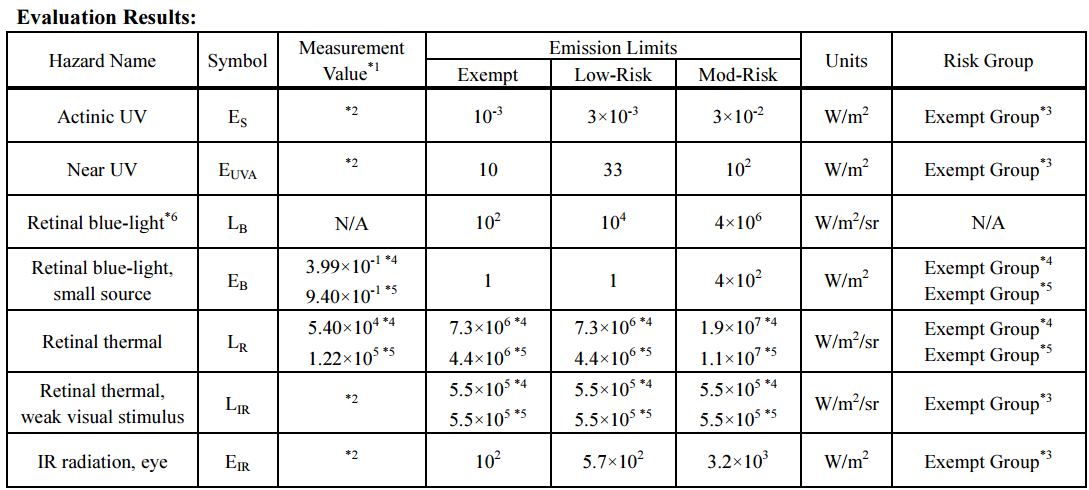
Photobiological Safety Of Led Agc Lighting
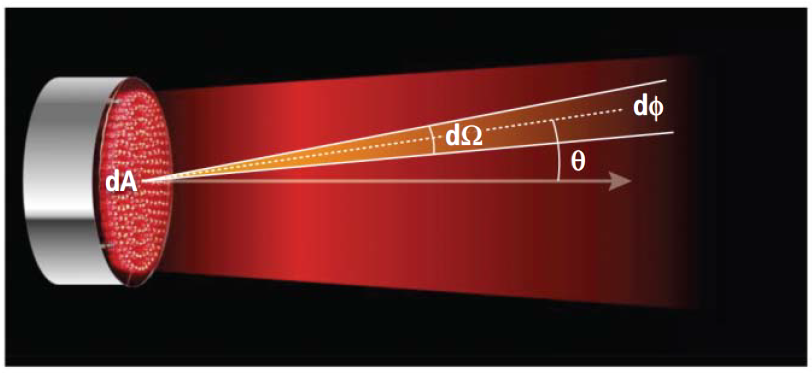
Led Based Products Must Meet Photobiological Safety Standards Part 2 Magazine Leds Magazine
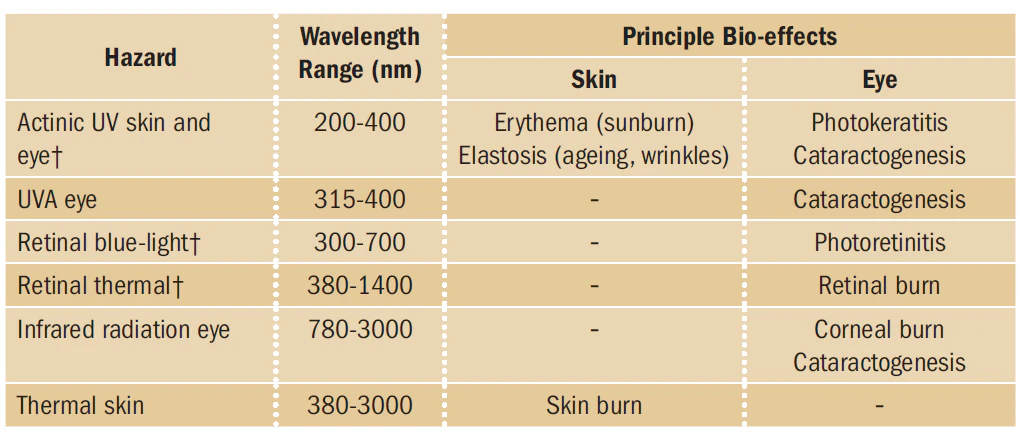
Led Based Products Must Meet Photobiological Safety Standards Part 1 Magazine Leds Magazine
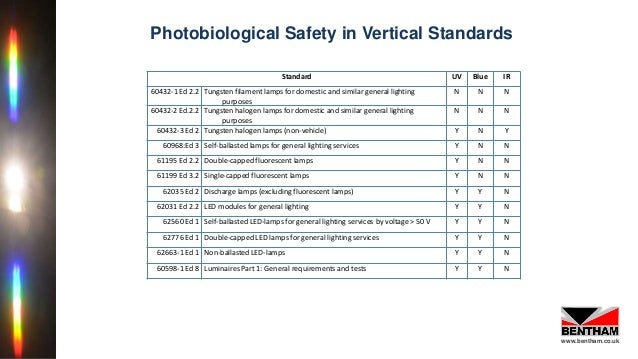
Pls 2017 Photobiological Safety Standards In Lighting Applications
Https Www Corlight Com Gui Download Index Aspx Fileid 1510
Https Media Osram Info Media Img Osram Dam 2496608 An002 Details On Photobiological Safety Of Led Light Sources Pdf
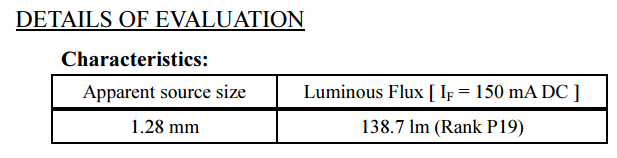
Photobiological Safety Of Led Agc Lighting

Photobiological Safety Eae Lighting
Led Based Products Must Meet Photobiological Safety Standards Part 1 Magazine Leds Magazine
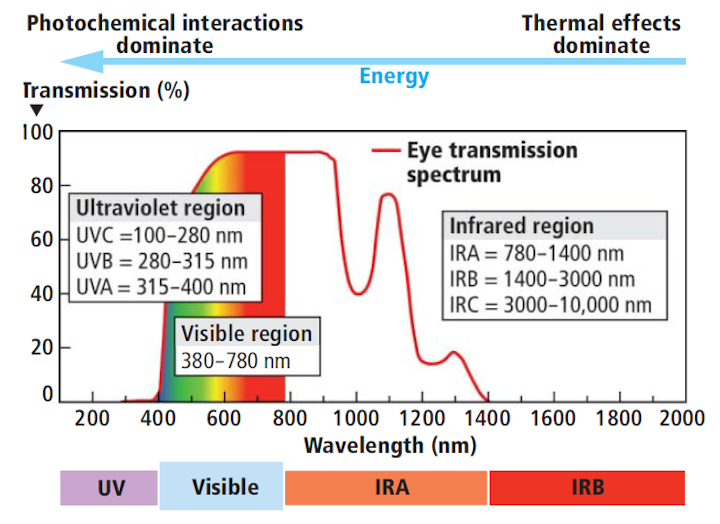
Led Based Products Must Meet Photobiological Safety Standards Part 1 Magazine Leds Magazine
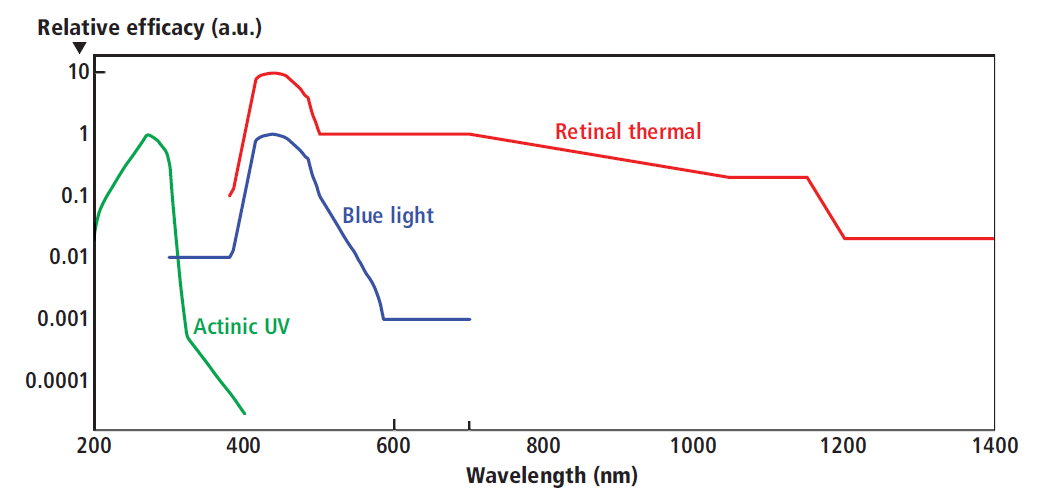
Led Based Products Must Meet Photobiological Safety Standards Part 2 Magazine Leds Magazine
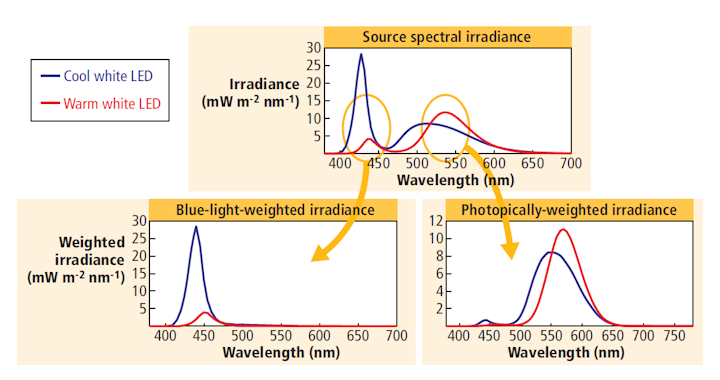
Led Based Products Must Meet Photobiological Safety Standards Part 3 Magazine Leds Magazine

Iec 62471 Photobiological Safety Standards For Led Lighting Products Machine Vision Technology Forum 2017 Stemmer Imaging
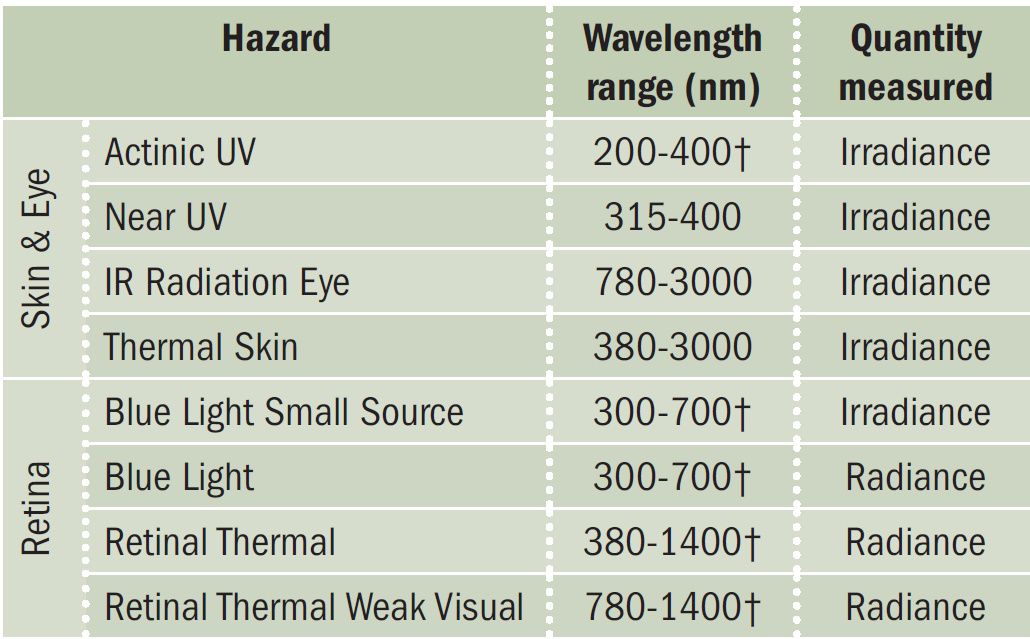
Led Based Products Must Meet Photobiological Safety Standards Part 2 Magazine Leds Magazine